Canadian expertise. Global impact.
Sign inMember portal

Service 02 / Challenge identification

Solve the right problem first.

Our Innovation-GPS systems analysis and technology road maps help operators find, quantify and validate the challenges where innovation will create the most value.
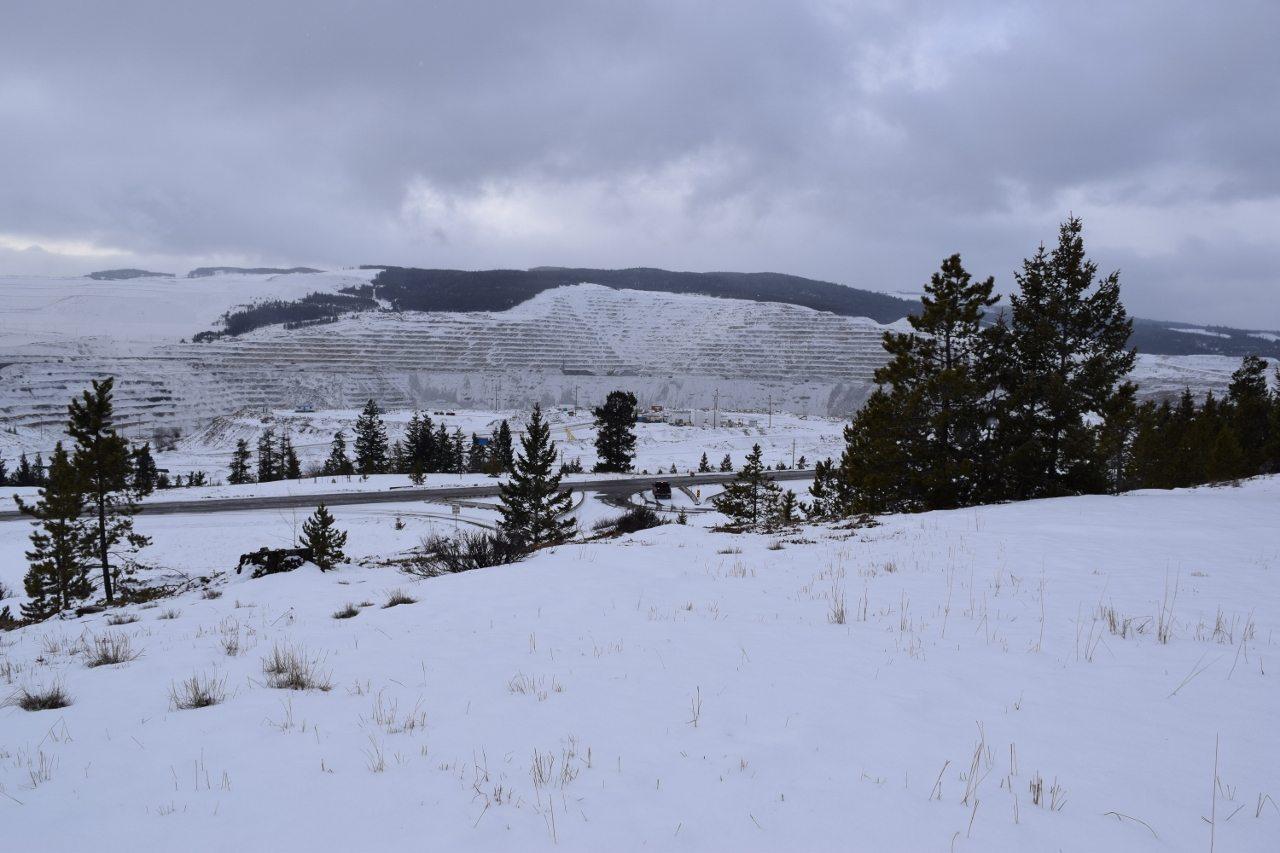
The snow-covered Highland Valley Copper Mine landscape near Logan Lake, British Columbia
Photo: Highland Valley Copper Mine, Logan Lake, BC, Canada by Jeffrey Wynne. CC BY-SA 4.0. Resized; cropped to fit.Context image; no CEMI project, partnership or endorsement implied. Download photo
Starts with
A business objective or pain point
Indicative timing
4–8 weeks per site
You leave with
Prioritized, solution-ready challenge briefs

Priority-led applications

Apply this service where it matters.

Explore proposed focus-area applications, evidence measures and safeguards. New engagements remain subject to an agreed scope and confirmed capacity.

See the proposed delivery gates

Why it matters

The visible problem is rarely the real constraint.

A mine is a connected system. Fixing one step can simply move the bottleneck.

Innovation budgets are often spent on symptoms — the issue that is loudest, newest or easiest to buy for. CEMI looks at the whole operation, from the face to the mill, to find where constraints really sit, what they cost and which are worth solving first.

Who it’s for

Built for the people who move mining forward.

01

Site & operations leaders

Focusing improvement effort on the constraints that will move production, cost or safety.

02

Corporate innovation & technical services

Building a defensible innovation portfolio across multiple sites.

03

Consortia & sector programs

Developing shared technology road maps for a commodity, region or theme.

How it works

5 stages. A clear decision at each.

Every stage ends with a deliverable and a decision gate, so you always know what you have and what happens next.

  1. Stage 01Week 1

    Intake & framing

    Understand the business objective, the operating context and the people who need to agree.

    • Discovery conversations with operations and leadership
    • Review of KPIs, plans and prior initiatives
    • Agree scope, sponsors and success measures
    Deliverable
    Challenge charter
    Decision gate
    Is there a clear owner and objective for the work?
  2. Stage 02Weeks 2–4

    Systems analysis

    Apply Innovation-GPS to map the mining system and trace where constraints sit and how they cascade.

    • Process and value-chain mapping
    • Site visits and interviews
    • Bottleneck and interdependency analysis
    Deliverable
    Constraint map
    Decision gate
    Have we found root constraints, not just symptoms?
  3. Stage 03Weeks 4–5

    Value at stake

    Estimate what solving each constraint is worth to the operation.

    • Throughput, cost and safety impact
    • Energy, water and emissions effects
    • Effect on value over the life of the mine
    Deliverable
    Value-at-stake model
    Decision gate
    Which challenges are worth investing in?
  4. Stage 04Weeks 5–7

    Prioritize & validate

    Test the findings with site and corporate stakeholders and rank them against feasibility and strategic fit.

    • Stakeholder validation workshop
    • Feasibility and readiness screening
    • Alignment with strategy and capital plans
    Deliverable
    Prioritized challenge portfolio
    Decision gate
    Does the site agree these are the right priorities?
  5. Stage 05Week 8

    Challenge briefs & road map

    Turn the top priorities into solution-neutral briefs that innovators can respond to.

    • Performance requirements and constraints
    • Technology road map and sequencing
    • Recommended next step for each challenge
    Deliverable
    Challenge briefs & road map
    Decision gate
    Hand off to innovation scouting or solution matching.

What you receive

Practical outputs. Not shelf reports.

Constraint map

A whole-system view of where performance is really limited.

Value-at-stake model

What each challenge is worth, in terms leadership can act on.

Challenge portfolio

Ranked, validated priorities with owners and rationale.

Challenge briefs & road map

Solution-neutral requirements and a sequenced plan.

What we work towards

  • Shared understanding between operations and leadership
  • Innovation effort focused where the value is
  • Clear requirements suppliers can respond to
  • A road map that connects challenges to strategy

Ways to work with us

Engagement that fits the need.

Site diagnostic

A focused Innovation-GPS analysis of one operation with prioritized challenge briefs.

Format
One operation, 4–8 weeks
Best for
A specific site or process

Portfolio review

A consistent view of challenges across sites to guide portfolio and capital decisions.

Format
Multiple sites, phased
Best for
Corporate innovation teams

Sector road map

A collaborative road map for a commodity, region or theme with multiple partners.

Format
Consortium, 6–12 months
Best for
Shared industry challenges

How we measure progress

What success looks like.

  • Value at stake identified
  • Challenges validated by site owners
  • Challenges progressing to scouting or matching
  • Time from intake to challenge brief

Before the first conversation

What to bring.

  • The business objective you need to move
  • The KPIs and data you already track
  • Known pain points and prior attempts
  • Who owns the outcome on site
Tell us about your challenge

Common questions

What is Innovation-GPS?

CEMI’s systems-analysis approach. It treats the mine as an interconnected system so improvements target the constraints that actually limit performance.

Will you share our data?

No. Site information is handled under confidentiality agreed at the outset. Challenge briefs are only shared outside with your approval.

What happens after the briefs?

Briefs can go straight to innovation scouting, or to solution matching if a credible option is already known.

The next step starts with a conversation

Have a challenge?
Let's move it forward.

Connect with CEMI